
- Our DNA
- Our Work
-
Employer Branding
- BrandShift™ –
Our Approach - Our BrandShift™ methodology will help you unlock the potential inherent in your people and strive for a consistent and cohesive employment experience right across the employee lifecycle.
- EVP & Employer Brand
- Employer Brand Diagnostic
- EVP and Employer Brand Development
- Candidate Attraction
& Engagement - Careers Sites
- ATS Consultancy
- Social Recruiting
- Employer Reputation
- Employee Advocacy
- Attraction Campaigns
& Toolkits - Early Years
- Diversity & Inclusion
- Media Planning & Buying
- Employee Review Sites
- Employer Brand AI Visibility
- Employee Engagement
- Onboarding & Induction
- Reward & Recognition
- Brand Activation
- Engagement Surveys
- Engagement Strategy
- Vision, Mission & Values
- Health & Wellbeing
- Learning & Development
- Culture
- Internal Comms
- Offboarding
- BrandShift™ –
- Marketing & Strategy
- Insights
- Contact us
Oct 2026
Why transformation fails
At the second event in DNA’s Leadership Series, John Tarrant and Zarina Ward examined four reasons change loses momentum and what organisations can do about them.
Transformation projects rarely suffer from a shortage of plans. The trouble usually begins when the plan reaches the people expected to make it work.
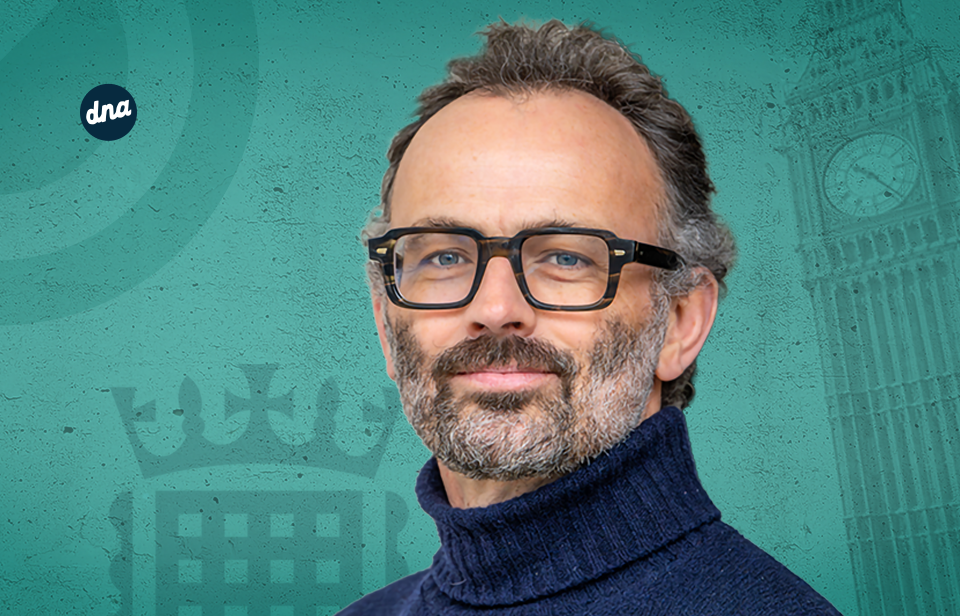
That was the subject of the opening session at DNA’s People-Powered Transformation event at the House of Lords. John Tarrant, Founder and Chair of DNA, was joined by Zarina Ward, Interim Chief People Officer at Colliers, to examine four connected dynamics: technology, leadership, managers and people.
A weakness in one puts pressure on the others. Technology disappoints when the problem is unclear. Managers cannot explain a change they do not understand, and employees lose confidence when words and experience don’t match.
The technology dynamic
New technology is often sold as the answer to an organisation’s problems. A platform promises better information, simpler processes or a rapid increase in productivity. What it cannot do is repair an unclear process or compensate for weak leadership.
AI makes the gap between expectation and reality more obvious. The opportunity is attractive, so organisations move quickly. Then the harder work begins. Roles may change, established processes need attention and employees need time to learn how to use the technology well.
This pattern was compared with Gartner’s Hype Cycle. Inflated expectations are followed by disappointment when the technology does not produce an immediate result.
Zarina summed it up plainly: “It’s never really about the tech. It’s about how tech enables your people.” Leaders need to know which problem the technology is meant to solve and how people will use it in their work.
The leadership dynamic
Transformation needs visible leadership well beyond the launch. Senior teams sometimes approve a programme and then treat delivery as someone else’s job. Interest falls away when the early wins take longer than expected, or different leaders begin describing the change in different terms.
Zarina argued that leaders must explain why the change matters, name the people responsible for it and keep checking progress. The reward structure matters too. Organisations cannot ask employees to change their behaviour while their objectives and incentives still reward the old way of working.
At an SAP consultancy where Zarina worked more than 20 years ago, hundreds of people handled the functional modules while the change team had around five people. Many organisations still underestimate the specialist work involved in adoption.
A workable programme needs a clear plan, named ownership, milestones and regular communication. Qualified change managers need a place in the budget from the outset.
The managers dynamic
Managers are where a transformation plan meets everyday work. They are expected to explain the change, answer questions and help teams adopt new habits, usually on top of their existing responsibilities and several other business priorities.
"78% of middle managers feel overwhelmed by the pace of change."
Zarina cited research suggesting that 78% of middle managers feel overwhelmed by the pace of change. That is hardly surprising when many are managing several initiatives at once, with little additional time or support. A manager who lacks context, useful tools or time will struggle to create clarity for anyone else. Telling managers to lead change is not the same as preparing them to do it.
John shared DNA’s work with Bristol Community Health, where facilitator guidance, workshop materials and team commitments gave managers a clear route for discussing the strategy. At Infinis, straightforward values gave everyone a common reference point. Good communication reduces the amount each manager must interpret alone.
The people dynamic
People need to understand why the organisation is changing, how it will affect their work and what is expected of them. They also need a way to be heard. When those things are missing, teams create their own explanations and the programme loses momentum.
For Zarina, this is also a question of organisational wellbeing. Leaders have a duty of care towards the people they ask to deliver change. Being open, listening properly and giving people clarity about their role all affect how manageable the experience feels.
“It isn’t about yoga in the office. It’s about creating an environment where people can do their best work.”
John argued that an Employee Value Proposition can provide an anchor. It connects the direction of the business with the experience an organisation needs to create for its people.
For MAN Truck and Bus UK, ‘Join the Pride’ brought its transformation and employment story together. For Sutton and East Surrey Water Services while technology was an enabler, the true catalyst for change was to find their ‘Why?’ – and then use this (‘Trusted local experts’) as the north star to guide all decision making and service behaviour.
DNA’s work for Joules: ‘Today’ ensured the company could drive the essential profile and narrative for change but within a user friendly and engaging format.
The format matters less than the consistency. If leaders say one thing while systems, rewards and management behaviour suggest another, employees will believe what they experience.
Making transformation work
The four dynamics explain why apparently sound plans can falter. Technology is expected to solve an organisational problem. Leaders step back. Managers become overloaded. Employees are left to work out the change for themselves.
The fixes are practical. Define the problem before choosing the technology. Give the programme an owner and keep leadership involved. Make the manager’s role clear and provide tools that save time. Explain the change honestly, listen to the people affected and recognise the behaviour the organisation needs.
“Technology can create velocity and productivity, but it’s people who ultimately turn transformation into performance.”
This does not remove uncertainty. It gives people a clearer account of what is happening, what their part is and where they can go for help.
If your organisation is preparing for change, DNA can help you understand what your people need, define a clear proposition and build the communication and employee experience that will support it.
Talk to us about making your transformation work for people.

In categories: DNA News, Employee Engagement, Employer Branding, Industry Insights